IX9 FIELD MANUAL 02 / ACCESS & SECURITY
A Practical Route Back Into Your IX9 Account
Work through IX9 sign-in trouble by checking credentials, OTP delivery, device time, browser state and recovery options in order.
This page is designed for a failed sign-in. It turns the live account notice into a practical sequence so you can identify whether the cause is credentials, verification, device state or service availability. The current IX9 screen and its published terms should always take priority when account details differ.
START WITH THE CURRENT SCREEN
Turn a failed sign-in into a set of facts
Account access problems are easier to solve when credentials, device state and recovery options are checked separately. Begin with the exact error on screen. Then confirm the registered contact method and the device clock before changing passwords or clearing data.
Security work should reduce uncertainty, not create more of it. Make one change, test once and record the result. Repeated OTP requests, rapid password changes or several simultaneous support tickets can make a simple recovery harder to follow.
For this task, a useful outcome is simple: identify whether the cause is credentials, verification, device state or service availability. Read the status word, date and account condition together. If one of them is missing, pause before making a change that cannot easily be reversed.
- Read the exact message before leaving the screen.
- Check spelling, keyboard language and unwanted spaces.
- Confirm automatic date and time on the device.
- Use password recovery only through the current IX9 access page.
- Wait for one OTP before requesting another.
THREE PLACES TO SLOW DOWN
Common assumptions that weaken the decision
Most mistakes happen before the main action, when a user fills in a missing detail from memory. Treat every label as specific to the current IX9 page. Compare it with the account status, then deal with only the point that does not match.
Old saved credentials
A browser or password manager may fill an earlier password without making the change obvious.
Several OTP requests
Only the newest code may remain valid, while delayed messages arrive out of order.
Clearing everything too early
Removing app data before recording the error can erase useful clues and saved settings.
A CALM WORKING ORDER
Move from observation to confirmation
A repeatable order keeps the evidence clean. Complete one step, look for its result and continue only when the screen supports the next action. If the page changes unexpectedly, record that point instead of pressing ahead.
- 01
Verify the identifier
Use the email or mobile number actually registered to the profile and check the country code.
- 02
Test the credential once
Enter the password carefully with the correct keyboard and avoid rapid retries.
- 03
Check the device state
Confirm network quality, automatic time and an updated browser or app.
- 04
Recover through the account page
Use the displayed recovery route and keep the latest code private.
INDIA MOBILE NOTE
Plan for the device and network you actually use
SMS delivery and mobile-data quality can vary by location and network load. Keep the SIM linked to the profile active, allow a reasonable delivery window and check that the phone time is automatic. An OTP belongs only in the IX9 verification field; no genuine help request needs it in a chat or screenshot.
Allow pages to settle after a network change and keep the phone clock automatic. When an action matters, avoid jumping between several browsers or devices. One stable route gives you a cleaner account history and a better record if help is needed.
THE SUPPORT LEDGER
Keep useful evidence without exposing secrets
For support, keep the account identifier, device model, app or browser version, local time and exact error wording. Redact contact details and never capture a password or OTP. A short sequence showing what worked before the failure gives the support team a useful starting point.
Write the issue as a short timeline: what you opened, what you expected, what IX9 displayed and what happened next. Use Indian Standard Time when that is your local reference, and mention another displayed time zone separately rather than silently converting it.
- Exact page, feature or event name
- Local date, time and current status
- Device, app or browser version when relevant
- One redacted image and one support reference
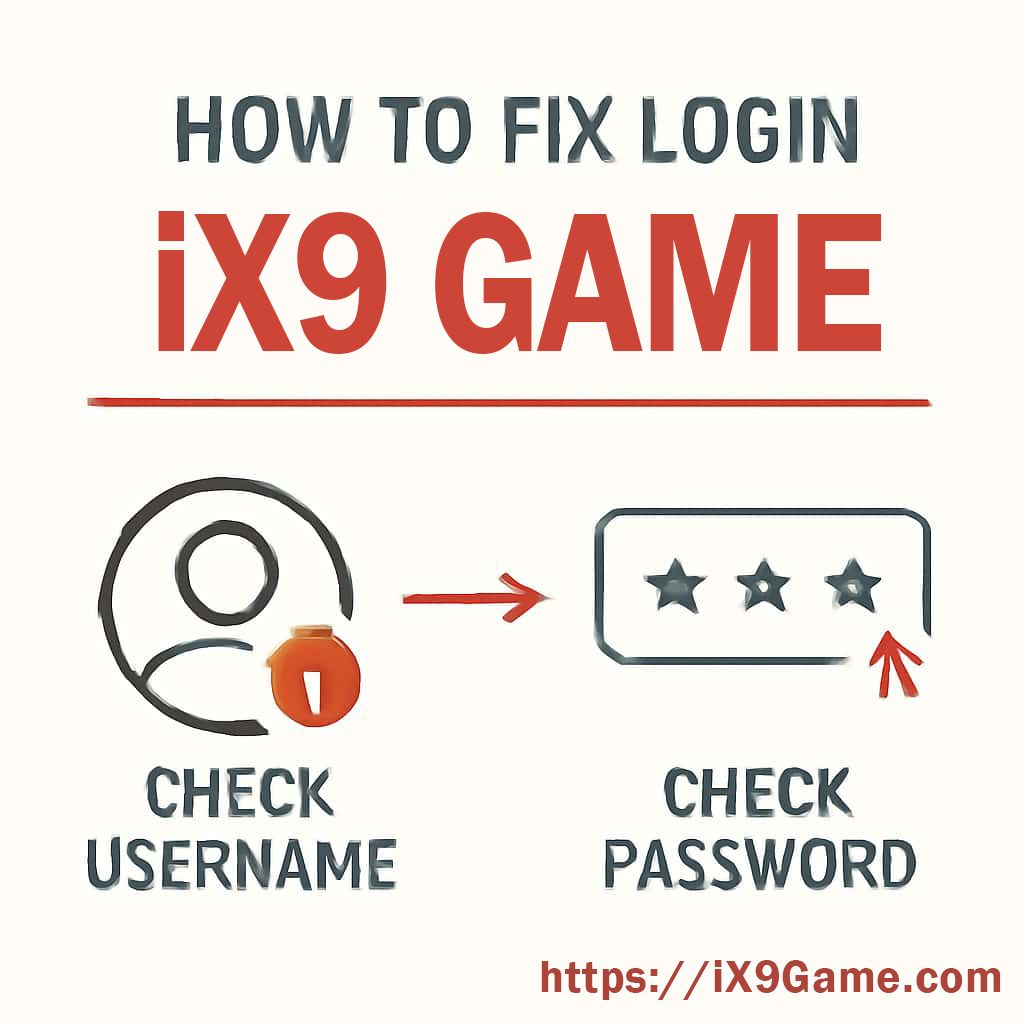
BEFORE YOU FINISH
Use the live result as the final check
The guide can organise the task, but the account decides the actual status. Reopen the relevant IX9 history or notice after the action and make sure the wording matches what you intended. A pending result needs time; a failed result needs a reason; a completed result needs a record.
Do not turn one unclear screen into several simultaneous changes. Wait for the stated period, then follow up with the smallest useful set of facts. This protects the account, reduces duplicate requests and makes the next decision easier to explain.
QUICK ANSWERS
Questions to settle before acting
Check the identifier, keyboard layout, saved-password entry, device time and any temporary account notice.
No. Enter an OTP only in the authorised IX9 verification field.
Pause after a small number of careful attempts and use recovery or support if the same message remains.